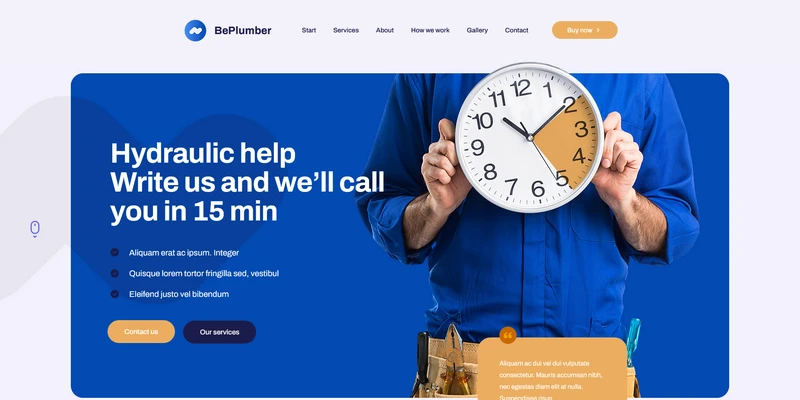
How to Improve the Effectiveness of Website Construction
In today’s digital age, having an effective website is more important than ever. A well-designed and optimized website can significantly enhance your online presence, attract more visitors, and ultimately lead to increased conversions and business growth. However, many businesses struggle with creating websites that truly meet their goals. So, what methods can be used to improve the effectiveness of website construction? This article will explore various strategies that can help you build a successful website.
1. User Experience (UX) Optimization
One of the most critical aspects of website construction is ensuring that users have a positive experience when interacting with your site. User experience refers to how easy or difficult it is for visitors to navigate through your website, find what they’re looking for, and complete desired actions such as making a purchase or filling out a form. To optimize UX, consider the following:
- Simplify Navigation: Ensure that your website’s navigation menu is intuitive and easy to use. Users should be able to quickly locate different sections of your site without getting lost.
- Mobile Responsiveness: With the increasing number of people accessing websites via mobile devices, it’s essential to ensure your site is fully responsive. A mobile-friendly design ensures that your content looks good on all screen sizes.
- Fast Loading Speeds: Slow loading times can frustrate users and lead them to leave your site. Use tools like Google PageSpeed Insights to identify areas where you can improve performance.
2. Search Engine Optimization (SEO)
Another key factor in improving website effectiveness is optimizing for search engines. Search engine optimization (SEO) involves various techniques aimed at improving your website’s visibility in organic search results. Here are some tips for enhancing SEO:
- Keyword Research: Identify relevant keywords that potential customers might use when searching for products or services similar to yours. Incorporating these keywords naturally into your content can help improve your ranking.
- Quality Content: Regularly updating your site with high-quality, engaging content is crucial for attracting and retaining visitors. Blog posts, articles, videos, and infographics are all great ways to provide value to your audience.
- On-Page SEO: Make sure each page on your website has proper meta tags, headers, and alt text for images. These elements help search engines understand the context of your content and improve rankings.
3. Visual Design and Branding
The visual appeal of your website plays a significant role in its overall effectiveness. An aesthetically pleasing design not only attracts visitors but also helps reinforce your brand identity. Consider the following points when designing your website:
- Consistent Branding: Use colors, fonts, and imagery consistently across all pages to create a cohesive look that reflects your brand personality.
- High-Quality Images: Invest in professional photography or stock photos if necessary. High-resolution visuals can make a big difference in how polished and trustworthy your site appears.
- Minimalist Approach: Avoid clutter by keeping your design clean and uncluttered. This allows visitors to focus on the most important elements of your site.
4. Conversion Rate Optimization (CRO)
Even if you’ve attracted plenty of traffic to your website, it doesn’t necessarily mean you’ll see high conversion rates. Conversion rate optimization (CRO) focuses on improving the percentage of visitors who take a desired action, whether that’s signing up for a newsletter, purchasing a product, or contacting your business. Some strategies include:
- Clear Call-to-Actions (CTAs): Place prominent CTAs throughout your site, especially near the top of pages. These buttons should stand out visually and clearly communicate what action you want users to take.
- A/B Testing: Experiment with different versions of web pages to determine which version performs better. By testing variations in layout, copy, and other factors, you can identify improvements that boost conversions.
- Trust Signals: Build trust with visitors by including testimonials, customer reviews, security badges, and other indicators that demonstrate the reliability of your business.
5. Security and Performance
Ensuring that your website is secure and performs well is vital for maintaining user trust and preventing technical issues. Here’s how you can address these concerns:
- SSL Certificate: Obtain an SSL certificate to encrypt data transmitted between your server and users’ browsers. This is especially important for e-commerce sites handling sensitive information like credit card details.
- Regular Updates: Keep your website’s software, plugins, and themes up-to-date to protect against vulnerabilities. Outdated systems can expose your site to hacking attempts.
- Backup Solutions: Implement reliable backup solutions so that you can restore your site quickly in case of any unforeseen issues such as data loss or cyberattacks.
By focusing on these areas—user experience, search engine optimization, visual design and branding, conversion rate optimization, and security—you can significantly enhance the effectiveness of your website. Remember, building an effective website requires ongoing effort and attention to detail. Stay informed about best practices and continuously evaluate and refine your approach based on analytics and feedback from both users and industry experts.
如没特殊注明,文章均为星之河原创,转载请注明来自https://www.00448.cn/news/23774.html