




电话

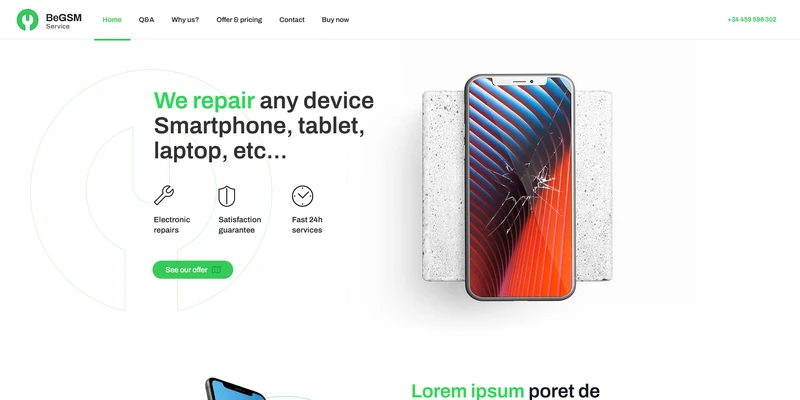
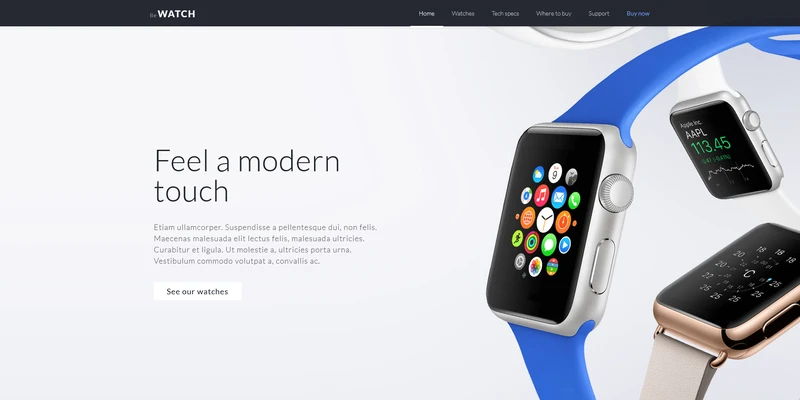
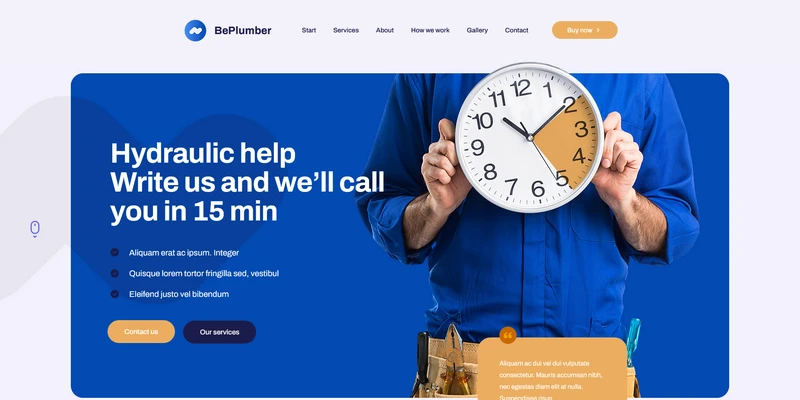
Website design is a critical aspect of creating a successful online presence. It involves the careful planning and execution of elements that will engage users, convey your message, and drive conversions. To ensure your website is effective, you must consider various factors, including user experience, functionality, and aesthetic appeal. This article will explore the key considerations and requirements for website design elements, providing insights to help you create a top-notch online platform.
Before diving into the specifics of website design, it’s essential to understand the purpose of each element. Every design component, from headings and buttons to images and buttons, plays a role in guiding users through your site. For instance, headings should clearly communicate the page’s content, while buttons should encourage user action. Misunderstanding the purpose of each element can lead to ineffective design.
2. Layout and Structure
The layout of your website is the backbone of its design. A well-structured layout ensures that users can navigate your site easily and find what they’re looking for. A common layout structure includes a header, main content area, and footer. The header should contain navigation links to help users move around the site, while the footer should provide additional information or links to related pages.
3. User Experience (UX) and Usability
User experience is paramount in today’s digital age. Your website must be user-friendly, intuitive, and accessible to all users, regardless of their technical skills. Poor UX can lead to frustration, decreased engagement, and lost conversions. To ensure a seamless user experience, prioritize the following:
4. Responsive Design
With the rise of mobile devices, responsive design has become a must. A responsive website adapts to different screen sizes, ensuring that users have an optimal viewing experience on both desktops and mobile devices. To achieve responsiveness, use CSS Grid, Flexbox, or responsive design frameworks like Bootstrap.
5. SEO Optimization
Search Engine Optimization (SEO) is crucial for driving organic traffic to your website. To rank higher on search engines, incorporate relevant keywords and phrases into your design elements. Additionally, ensure that your website’s structure is optimized for search engines, including proper use of headings, alt text for images, and proper URL structure.
6. Visual Hierarchy and Aesthetics
Aesthetics play a significant role in capturing users’ attention. A visually appealing design can improve engagement and conversions. To create a strong visual hierarchy, use typography, color, and spacing to guide users’ attention to the most important elements of your page. For example, use larger fonts and contrasting colors for headings to ensure they stand out.
7. Accessibility
Accessibility is a non-negotiable aspect of website design. Your website must be accessible to all users, including those with disabilities. To ensure accessibility, incorporate features such as alt text for images, screen readers for visual elements, and proper contrast ratios for text and background colors. Accessibility not only improves user experience but also helps you comply with regulations like WCAG (Web Content Accessibility Guidelines).
8. Testing and Iteration
Testing is an essential part of the website design process. Conduct thorough testing to identify and fix issues before launch. Test your website on different devices and browsers to ensure compatibility. Additionally, gather feedback from users to identify areas for improvement. Iteration is key to creating a website that truly meets user needs.
9. Version Control
Finally, version control is a best practice in website design. Track changes to your design to ensure that everyone is working on the same version. Use tools like Git to manage changes and revert to previous versions if necessary. Version control helps prevent confusion and ensures that everyone is on the same page.
Creating a successful website requires careful consideration of various design elements, from layout and structure to UX, SEO, and accessibility. By understanding the purpose of each design component and prioritizing key considerations, you can develop a website that not only looks great but also drives conversions. Remember, testing and iteration are key to ensuring your website meets user needs and achieves its full potential.
如没特殊注明,文章均为星之河原创,转载请注明来自https://www.00448.cn/news/22755.html
上一篇: 重庆网站建设系统官网登录网址查询
下一篇: 廉价建材网站建设外包合同范本大全最新

