





电话

In today’s digital landscape, having a professional corporate website is no longer optional—it’s essential for business success. A well-designed company website serves as your organization’s online storefront, credibility booster, and primary marketing tool. But how exactly do you build an effective corporate website that drives results?

Before diving into the technical aspects, it’s crucial to establish clear goals for your corporate website. Are you looking to generate leads, showcase products, provide customer support, or enhance brand visibility? Defining specific objectives will guide every decision throughout the development process.
Your website should align with your overall business strategy, serving as a digital extension of your company’s values and mission. Consider what actions you want visitors to take—whether it’s making purchases, contacting your team, or subscribing to newsletters.

Effective corporate websites follow a logical structure that makes navigation intuitive for users. Start by creating a sitemap that outlines all essential pages including homepage, about us, services or products, contact information, and blog sections.
Content hierarchy plays a vital role in user experience and search engine optimization. Organize your information architecture so that visitors can find what they need within three clicks. This approach reduces bounce rates and increases engagement time.
Consider implementing user personas to better understand your target audience’s needs and preferences. This insight will help you create content that resonates with potential customers and addresses their pain points effectively.

When building a corporate website, you have several options: hiring professional developers, using website builders, or taking a DIY approach with content management systems like WordPress.
Professional web development offers customization and scalability, making it ideal for complex business requirements. However, this option requires significant investment and ongoing maintenance considerations.
Website builders like Wix or Squarespace provide user-friendly interfaces perfect for small businesses with limited technical expertise. These platforms offer templates specifically designed for corporate environments, though customization options may be limited.
For businesses seeking balance between control and ease of use, content management systems present excellent middle-ground solutions. They offer extensive plugin ecosystems while maintaining relatively straightforward content management processes.

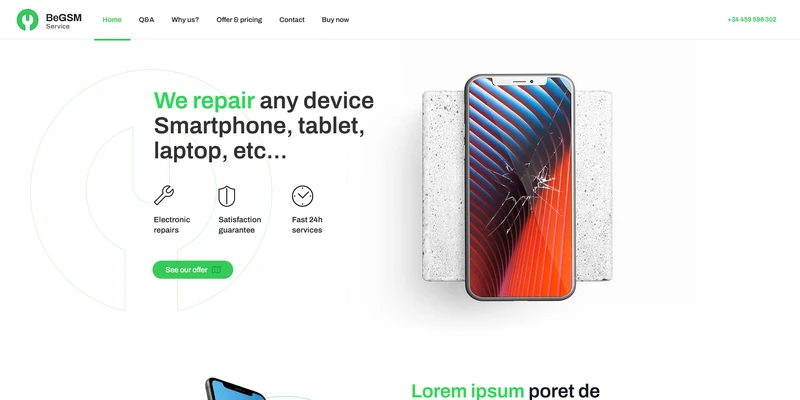
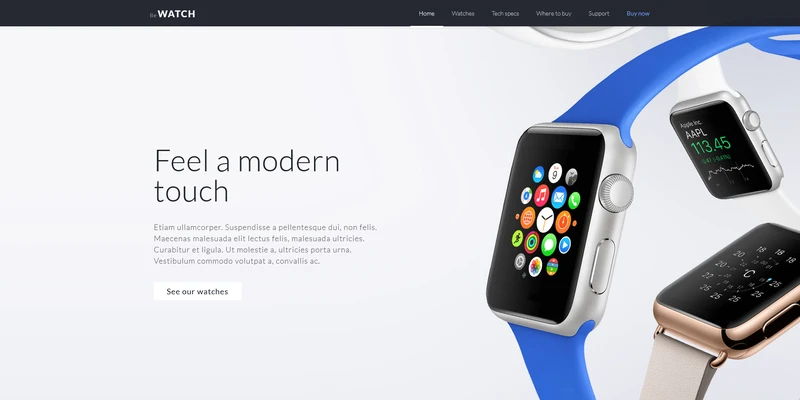
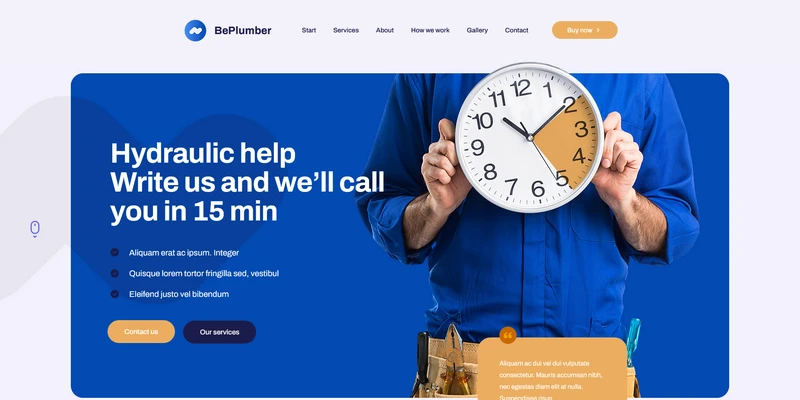
Corporate websites must convey professionalism and trustworthiness through their design elements. Clean layouts, consistent color schemes, and high-quality imagery create positive first impressions that influence visitor perception of your brand credibility.
Typography choices significantly impact readability and brand perception. Select fonts that reflect your company’s personality while ensuring optimal legibility across different devices and screen sizes.
Navigation menus should be prominently displayed and logically organized. Visitors should immediately understand where they are on your site and how to access other relevant sections without confusion or frustration.
Mobile responsiveness has become non-negotiable in modern web design. With over half of internet traffic originating from mobile devices, your corporate website must function seamlessly across all platforms and screen sizes.

Compelling copywriting forms the backbone of successful corporate websites. Your content should clearly communicate value propositions, address customer concerns, and guide visitors toward desired actions.
The homepage serves as your digital elevator pitch, requiring concise yet powerful messaging that captures attention within seconds. Include clear calls-to-action that direct visitors to next steps whether that’s exploring services, contacting your team, or making purchases.
About us pages provide opportunities to humanize your brand by sharing company history, team member introductions, and core values. This transparency builds trust and establishes emotional connections with potential customers.
Product or service descriptions should focus on benefits rather than just features. Explain how your offerings solve specific problems or improve customer situations rather than simply listing technical specifications.

Search engine optimization begins during the website development phase. Implement proper meta tags, header structures, and alt text for images to improve search visibility from day one.
Page loading speed directly impacts user experience and search rankings. Optimize images, minimize code, and leverage caching mechanisms to ensure fast loading times across all pages.
Security measures including SSL certificates and regular updates protect both your business and visitor data. These precautions also contribute to search engine trust signals that can improve rankings.
Analytics integration allows you to track visitor behavior, measure campaign effectiveness, and identify areas for improvement. Set up conversion tracking to monitor how well your website achieves business objectives.

Comprehensive testing ensures your corporate website functions properly before public launch. Check all links, forms, and interactive elements across different browsers and devices to identify potential issues.
Cross-browser compatibility testing prevents display inconsistencies that could damage professional appearance on various platforms. Test major browsers including Chrome, Firefox, Safari, and Edge.
Performance testing evaluates loading speeds under different network conditions and traffic volumes. This preparation helps prevent crashes during peak usage periods or marketing campaign launches.
User acceptance testing with actual target audience members provides valuable feedback about navigation intuitiveness and content clarity. Fresh perspectives often reveal usability issues that internal teams might overlook.

Successful website launches require coordinated promotional efforts across multiple channels. Announce the new corporate website through email newsletters, social media platforms, and existing customer communication channels.
Search engine submission accelerates indexing by notifying Google and other search engines about your new website existence. This proactive approach helps establish online presence more quickly.
Monitor initial performance metrics closely during the first weeks following launch. Address any technical issues promptly and gather user feedback to inform future improvements.
Consider implementing search engine marketing campaigns to drive targeted traffic to key landing pages immediately after launch. This approach generates early engagement while search engine optimization efforts begin showing results.
Building an effective corporate website requires careful planning, strategic execution, and ongoing optimization. By focusing on user experience, technical excellence, and business objectives, you can create a digital asset that supports long-term growth and success. Remember that website development is an ongoing process rather than a one-time project, requiring regular updates and improvements to maintain competitiveness in today’s dynamic digital marketplace.
如没特殊注明,文章均为星之河原创,转载请注明来自https://www.00448.cn/news/20860.html
上一篇: 沈阳SEO优化培训
下一篇: 什么是网站建设实用技巧分享

